
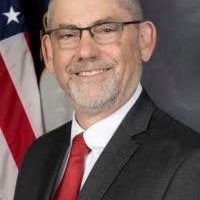
By T.W. Shortt,
Former Radcliff City Councilman and Local Business Owner
The primary purpose of local government, whether at the city or county level, is public safety. It is not the government’s only responsibility, but it is the first. Roads, recreation, economic development, and community events all matter, but none of them should take priority over protecting lives and property.
In Radcliff, there is often a great deal of attention placed on what I call the four P’s: parties, picnics, parades, and pancakes. There is nothing wrong with community events. They bring people together and help build civic pride. However, those activities should never distract from the community’s basic public safety needs. Considering the level of crime being reported in Radcliff, along with concerns about police staffing, emergency response, and the demands placed on public safety personnel, it may be time to shift the focus.
At the Hardin County level, public safety must also remain a primary concern. The proposed 2026–2030 Emergency Fire Services Strategic Plan is a move in the right direction. It recognizes growing call volumes, simultaneous emergencies, aging fire equipment, limited staffing, and the pressure created when a small group is expected to serve a large and growing community.
One of the largest proposals is an estimated $8 million emergency services building in Glendale, with approximately $6.5 million expected to come from state funding. The plan also calls for establishing the Hardin County Fire System, adding paid weekday firefighters in key districts, beginning replacement of fire apparatus in 2028, and creating the county’s first full-time, 24-hour paid fire crew by 2029.
The planning phase is critical. Without a plan, every incident becomes a shock and a surprise. Government then finds itself reacting from one emergency to the next instead of working from an organized system with clear priorities, staffing goals, equipment schedules, and funding needs. Without that preparation, emergency management can begin to look less like organized county government and more like goat roping—everyone moving at once, but no one certain who is in charge or where the effort is headed.
Judge-Executive Keith Taul deserves recognition for his leadership in this area. The judge-executive serves as the county’s chief executive officer, comparable to a mayor but on a countywide scale. Working with the members of the Fiscal Court, the judge-executive plays a leading role in planning, setting priorities, coordinating departments, and preparing the county for future needs.
Fortunately, Judge Taul brings years of professional experience in which planning, organization, and leadership were developed and tested. That background is especially valuable when county governments must look beyond the next meeting or the next emergency and prepare for what Hardin County will need five, ten, or even twenty years from now. Every member of the Fiscal Court is also responsible for studying the plan carefully, asking tough questions, and supporting the necessary public safety improvements.
This plan is not yet final, but it gives Hardin County direction and provides a standard by which the public can measure progress. Planning does not solve every problem, but it identifies weaknesses before the next crisis exposes them. A serious county government should not wait for an emergency to reveal what it failed to prepare for. It should establish priorities, assign responsibility, and make sure the people, equipment, facilities, and funding are in place.
Hardin County is growing, and its public-safety services must grow with it. Community events are worthwhile, but the government’s first duty remains the protection of life and property. This strategic plan is an important first step, and Judge Taul and the Fiscal Court should be encouraged to continue advancing it.
 twshorttreports.com